

Cardamom (Elettaria cardamomum)
Cardamom thrips (Sciothrips cardamomi)
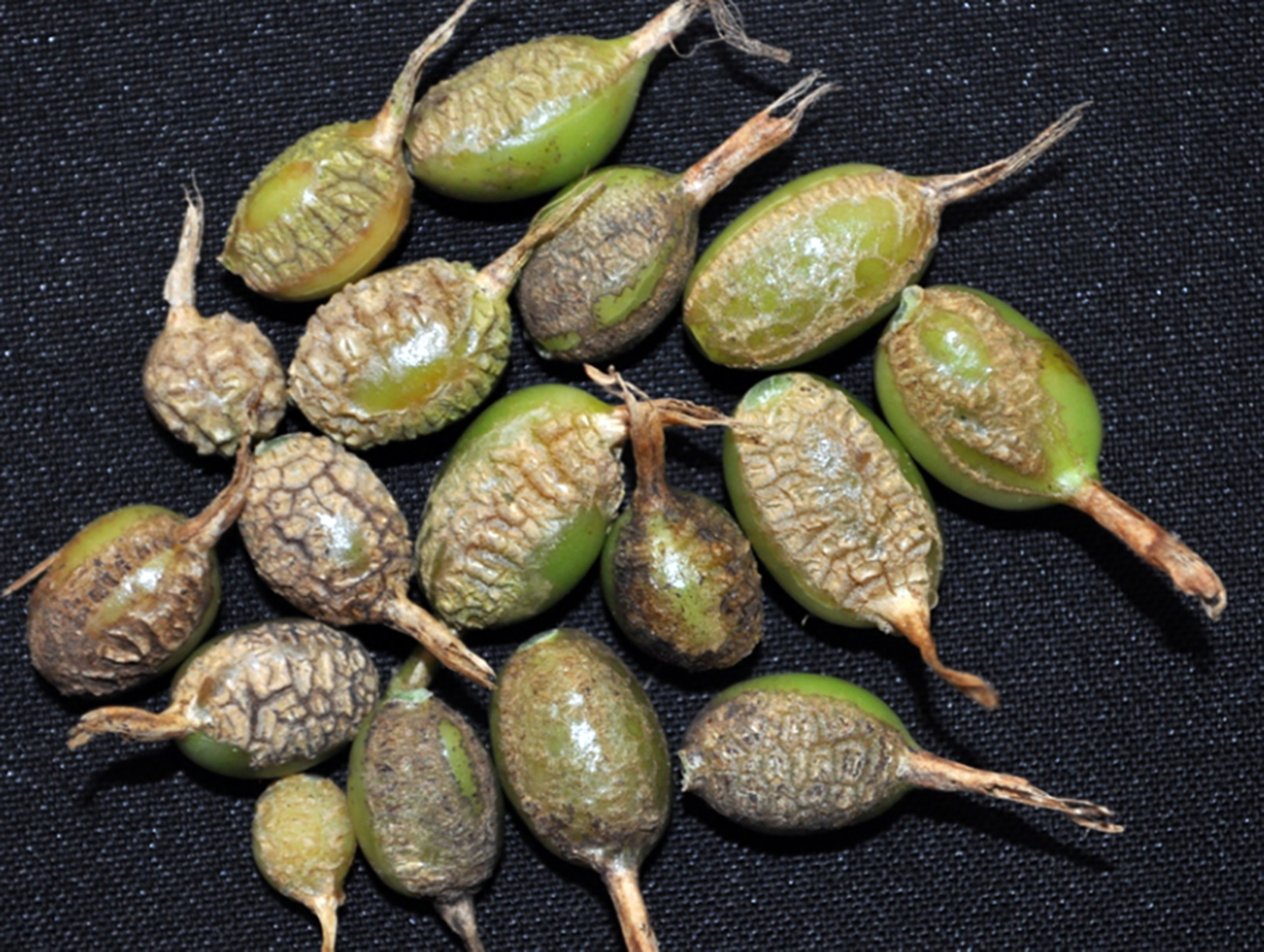
Symptoms
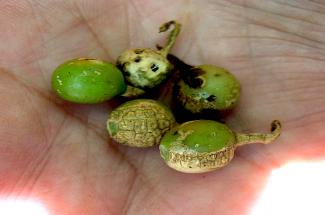
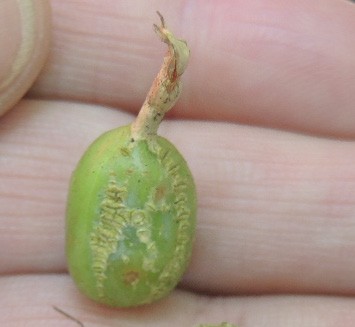
- Most destructive and persistent pest of cardamom.
- They colonize and breed in different parts of the plant such as unopened leaves, spindles, leaf sheaths, flower bracts, perianths and flower tubes.
- Adults and nymphs of the insect cause damage to panicles, flowers and capsules.
- Lacerates the surface tissues with mandibles and sucks the exuding plant sap by applying its mouth cone.
- Injury to panicles results in its stunted growth, that on flowers leads to flower dropping
- Injury produced on tender capsules develop as scabby growth on capsules as they mature.
- Affected capsules appear malformed, shrivelled and sometimes with gaping slits.
- Such capsules are inferior in aroma, have less number of seeds, and seeds are underdeveloped and may not germinate
Management
- Regulate shade
- Remove dry looping leaves
- Release Chrysoperla zastrowi sillemi @ 2 larvae/plant in early stage of plant & 4 larvae/plant in later stage.
Chemical Control
| Sl.No | Generic Name | Trade Name | Color code | Dosage/litre | Recommendation | Remarks | |
|---|---|---|---|---|---|---|---|
| Dosage/acre (200 L) | Dosage/hectare (500 L) | ||||||
| 1 | Diafenthiuron 50 WP | Pegasus, Polo, Derby | Blue | 0.16 g | 32 g | 80 g | Apply at severe attack |
| 2 | Quinalphos 25 EC | Agroquin, Anuphos, Guin Guard Tagquin, H.LX, Hilquin Geelux, Kinalaux Exalux, Krilux, Quinaswan Flash, Quincid Starlux, Rambalux Quinolux | Yellow | 2 ml/litre of water | 400 ml | 1000 ml | Apply at severe attack |
Extremely Toxic

Highly Toxic

Moderately Toxic