KAU Agri-Infotech Portal
Centre for e-Learning
Kerala Agricultural University
Agroforestry refers to land management systems that integrate agricultural crops with forest crops. It is a collective term for all land use systems and practices in which woody perennials are deliberately grown on the same land management unit as crops or animals, either in some form of a spatial arrangement or in a time sequence and in which there is a significant interaction between the woody perennials and the crops or animals.
The major classes of agroforestry include, agrisilviculture, silvopastoral, agrosilvopastoral and other (miscellaneous) systems.
Agrisilviculture refers to systems in which agricultural crops are integrated with trees on the same land management unit either in time or space. Examples include taungya, alley cropping, multipurpose trees either as woodlots or as scattered trees on farmlands or on farm boundaries, crop combinations involving woody perennial plantation crops, growing commercial crops in association with planted shade trees or trees in natural forests, shelterbelts, energy plantations, enriched fallow and so on.
Silvopastoralism represents land management systems in which forests including forest plantations are managed for the concurrent production of wood and livestock. They also refer to situations in which trees are scattered in pasture/grasslands, protein banks/ cut and carry fodder production system involving woody perennials and the like.
Agrosilvopastoral systems, the most intensive form of land management, are systems in which the land is managed concurrently for the production of agricultural and forest crops and for rearing of domesticated animals.
In addition, there are many agricultural practices associated with forest that strictly do not fall under the above categories. These include, collection of non-timber forest products from forests, growing trees around wetlands and other water bodies in which fish culture is practised, apiculture with trees and multipurpose woodlots etc.
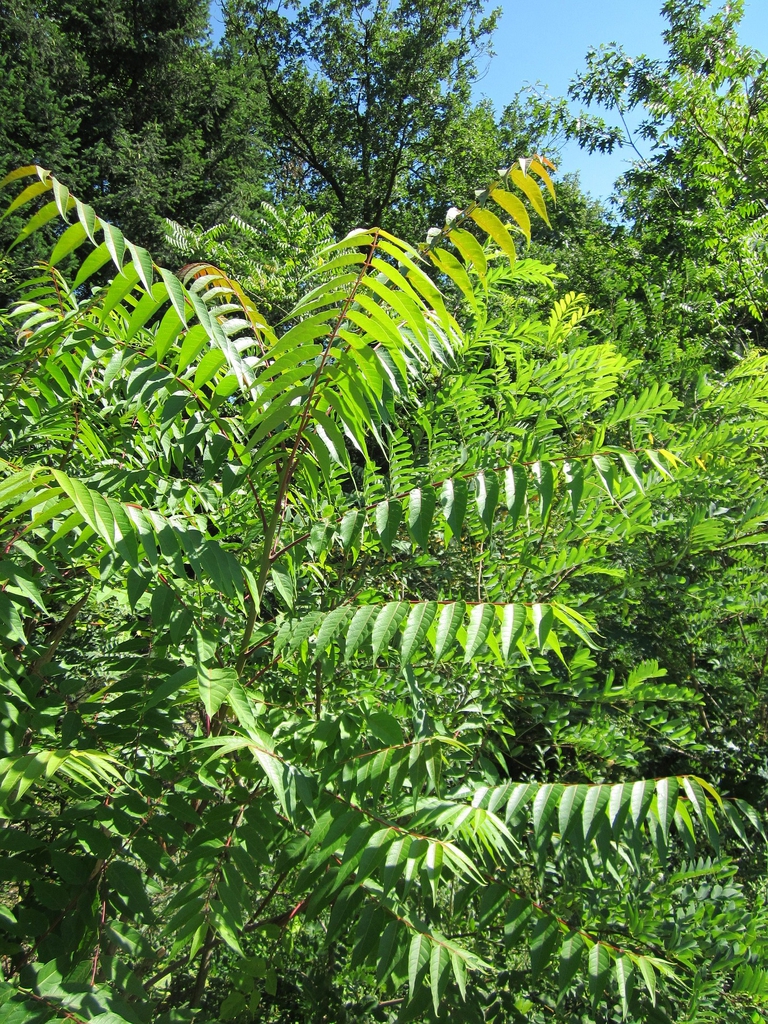
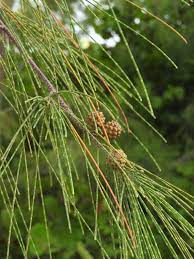
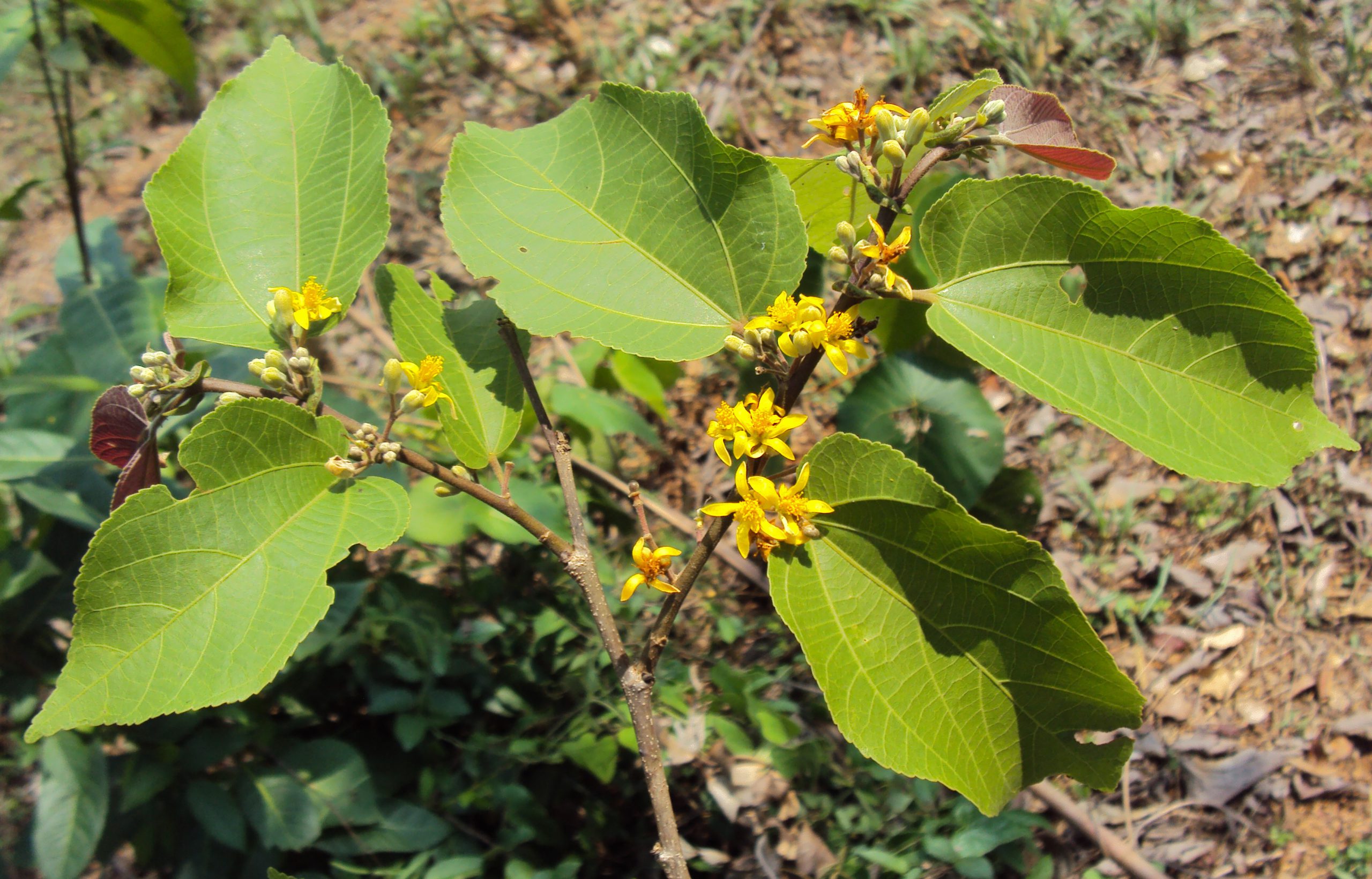
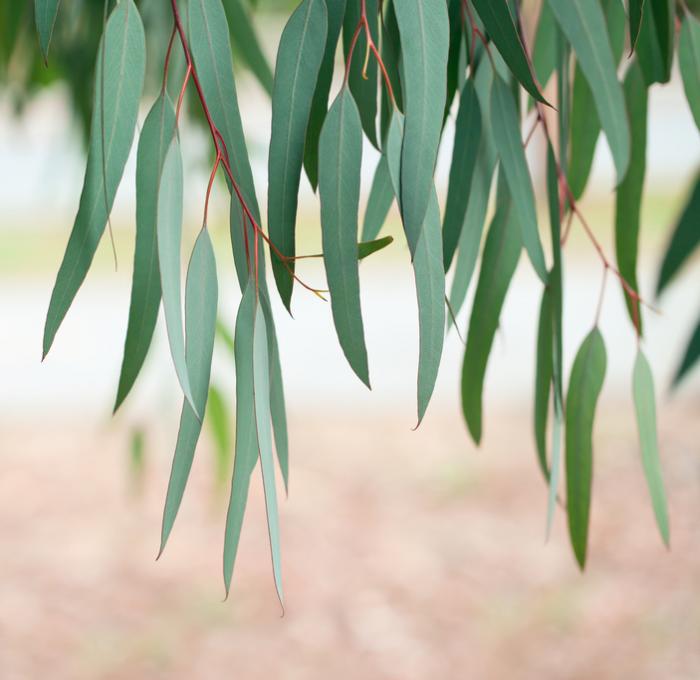
Many tree species (woody perennials) are encountered in agroforestry. These include common timber species such as ailanthus (matti), teak, wild jack and multipurpose tree species such as mango, jack, tamarind, erythrina, gliricidia etc. Species-specific recommendations for some important timber (softwood and hardwood) trees are given below.
Shade loving crops such as ginger perform better in the inter-spaces of tree species such as ailanthus (at four years of age, planted at a spacing of 2 m x 2 m; with 60 per cent of the light in the open). Multipurpose tree species like ailanthus, teak, vellapine, silver oak and green manure yielding trees can be successfully interplanted in the older coconut plantation (preferably above 30 years of age), often in association with other field crops including medicinal plants such as kacholam. Depending on the space available (between coconut palms), one or two rows of multi-purpose trees can be accommodated in the middle (spacing 1-2 m between plants). Tree management such as lopping/ pollarding etc. is important to prevent any possible inter-specific competition between the multipurpose tree component and the coconut palms.