Sesame (Sesamum indicum)
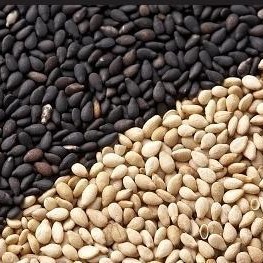
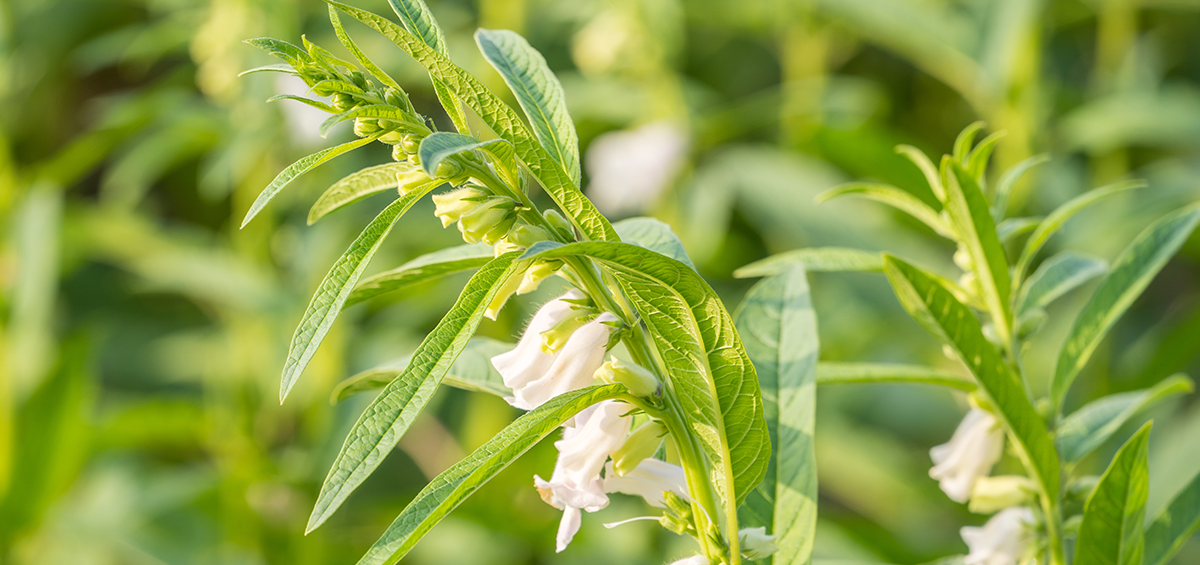
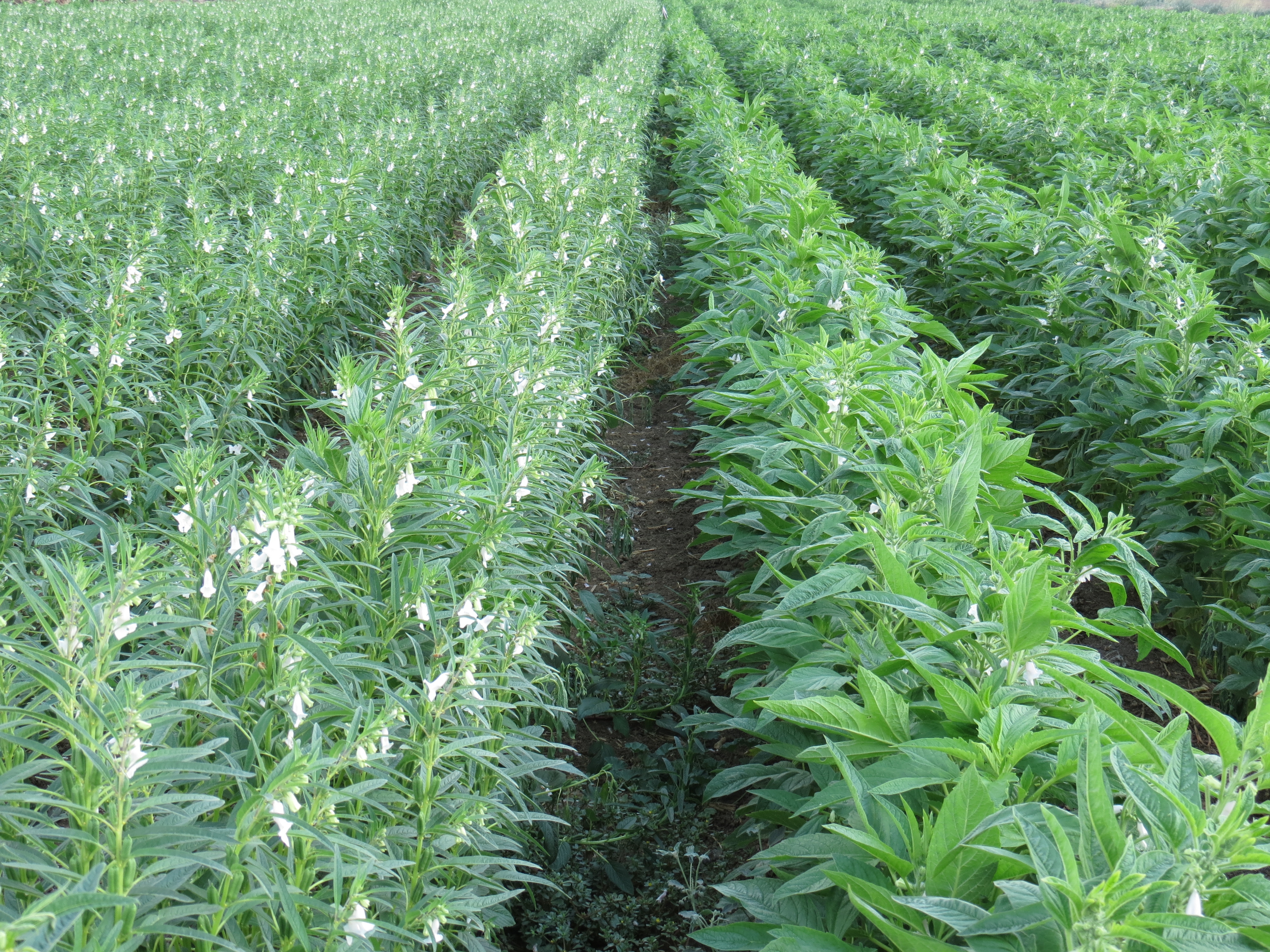
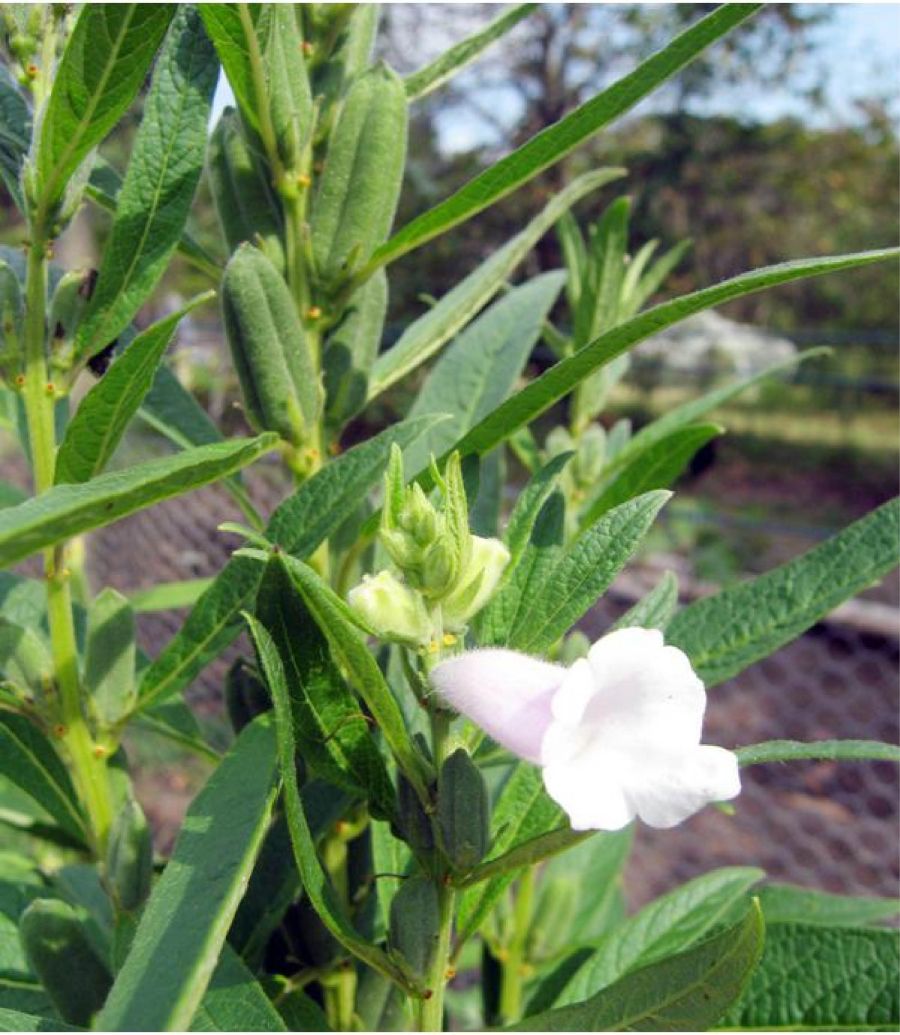
Sesame (Sesamum indicum L.) is the oldest indigenous oilseed crop, with longest history of cultivation in India. Sesame or gingelli is commonly known as til (Hindi, Punjabi, Assamese, Bengali, Marathi), tal (Gujarati), nuvvulu, manchi nuvvulu (Telugu), ellu (Tamil, Malayalam, Kannada), tila/pitratarpana (Sanskrit) and rasi (Odia) in different parts of India. Sesame seed (contain 50% oil, 25% protein and 15% carbohydrate) is used in baking, candy making and other food industries. It is an integral part of rituals, religion and culture. The oil is used in cooking, salad oils and margarine (contains about 40% oleic and 40% linoleic acid). Sesame oil and foods fried in sesame oil have a long shelf life because the oil contains an antioxidant called sesamol. The oil can be used in the manufacture of soaps, paints, perfumes, pharmaceuticals and insecticides. Sesame meal is an excellent high quality protein (40%) feed for poultry and livestock. Sesame seeds are store house of energy and very rich in Vitamins E, A, B Complex and minerals viz., calcium, phosphorus, iron, copper, magnesium, zinc and potassium.