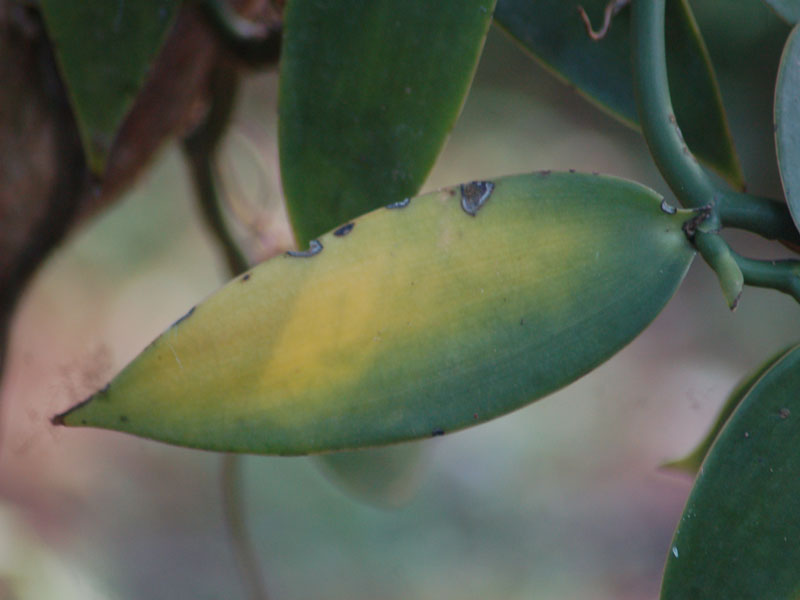
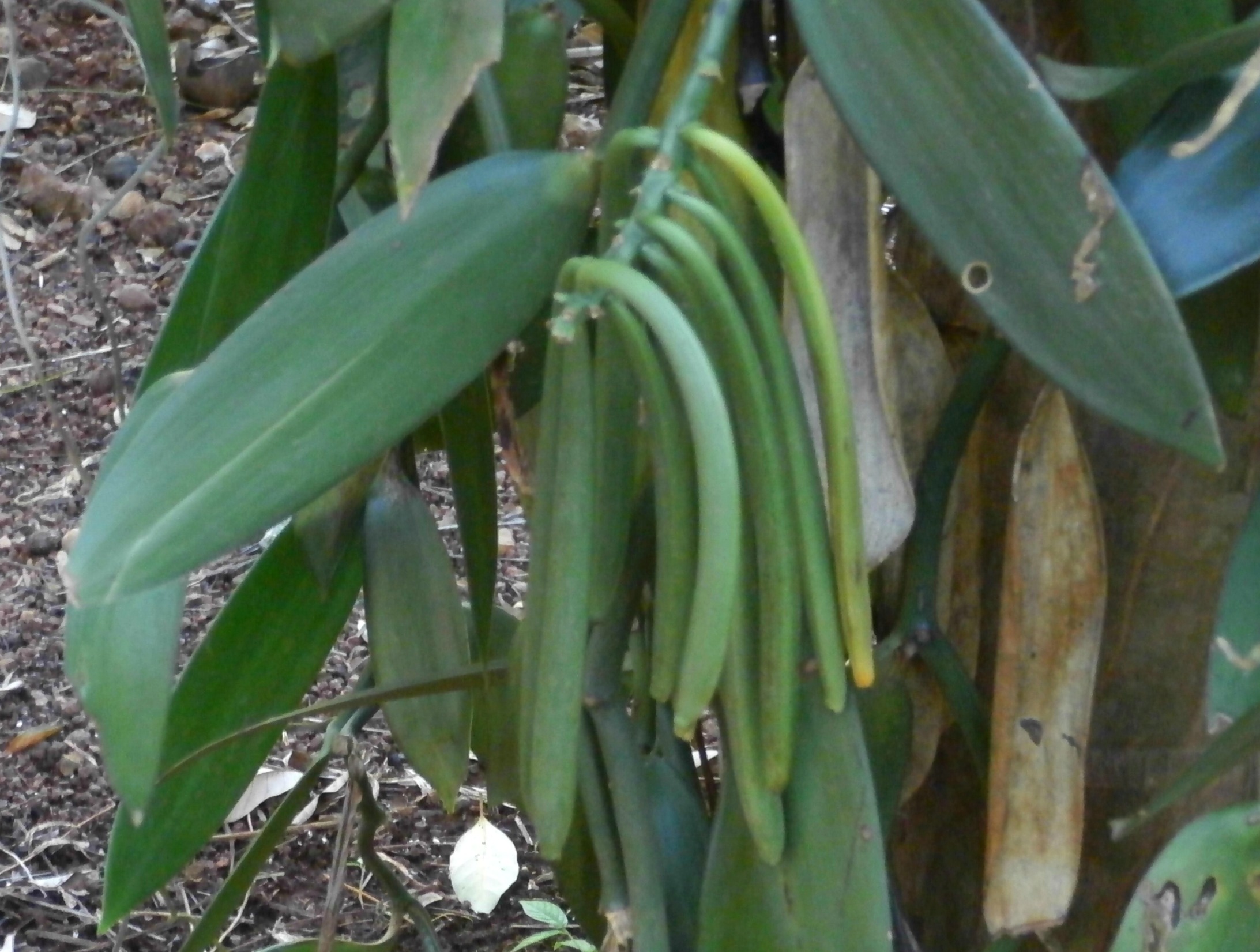
Nitrogen is a highly mobile element in plant. So, when the soil become deficient in available nitrogen, nitrogen from lower leaves will get transferred to growing points.
Deficiency symptoms will be first noticed in older and lower leaves.
Leaves remain small and develop yellowish green colour. Shoot growth is greatly retarded.
The root system although light yellow in colour and relatively sparse, appears healthy.
Overall yellowish colour on all the leaves.
Management
Add sufficient quantity of organic matter to the soil every year.
Add bio fertilizers like Azospirillum.
Check whether the recommended quantity of fertilizers is applied in time.
Go for soil analysis and understand the extent of deficiency.
Apply quick release nitrogen fertilizers like urea as per soil test result in split doses.
As an immediate solution applies urea as foliar spray (10 gram /litre of water) once in 15 days till the deficiency is over.
Application of organic growth promoters at frequent interval is also advantageous.
Phosphorus (P)
Symptoms
The root growth will be affected. This results in poor uptake of needed nutrients.
The deficiency symptoms will be first noticed in older and lower leaves.
Reduction in growth and a fading of green in the leaves. Leaves assume an ash-geen colour, with some yellow appearing before they became necrotic at the margins and tips.
Leaves shrivel, turn light brown, dry out and remain on the plant.
The root systems are very sparse and show considerable dying.
The roots, stems and leaves closely resemble vanilla plants dying of root rot.
Management
Phosphorus is best absorbed by the roots in the pH range 6.5-7.5. So, adjust pH in acidic soils by adding lime/ dolomite.
Add bio fertilizers containing phosphorous solubilizing bacteria along with organic manure to increase phosphorous availability.
Check whether the recommended quantity of fertilizers is applied in time.
An excess of Iron and Zinc may also cause the symptoms of phosphorus deficiency.
Go for soil analysis and understand the extent of deficiency.
Apply fertilizers such as single superphosphate for immediate correction or bone meal or rock phosphate for long term correction as per the soil test report.
Potassium (K)
Symptoms
Potassium is a highly mobile element in plant. So, the deficiency symptoms will be first noticed in older and lower leaves.
The intensity of green is greatest in leaves of potassium deficient plants.
The leaf size and stem girth are reduced. Marginal and tip burning of leaves not visible.
Management
Optimum availability of potassium is at soil pH above 6.0. So correct soil pH in acidic soils by adding lime/ dolomite.
Add organic matter and wood ash to the soil.
Check whether the recommended quantity of potash fertilizer is applied in time.
Go for soil analysis and understand the extent of deficiency. Apply Muriate of Potash (MOP) as per soil test report. Split application is more beneficial.
As an immediate solution apply Sulphate of Potash (SOP) as foliar spray (10 g /litre of water) during morning hours along with wetting agents.