

Tea (Camellia sinensis)
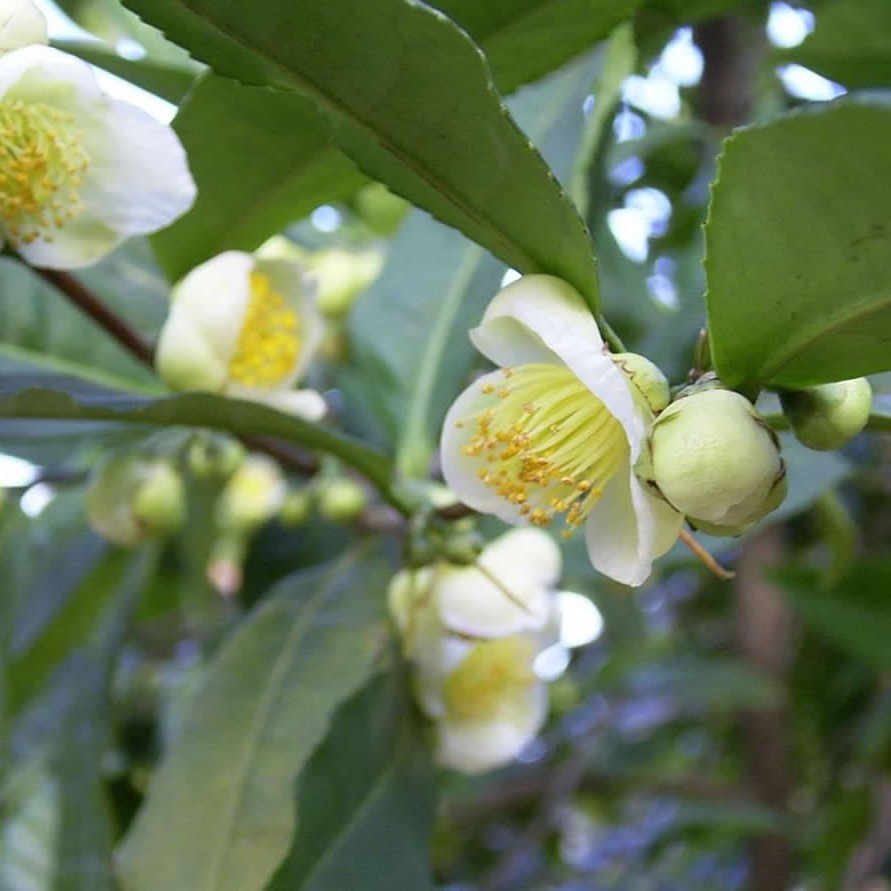
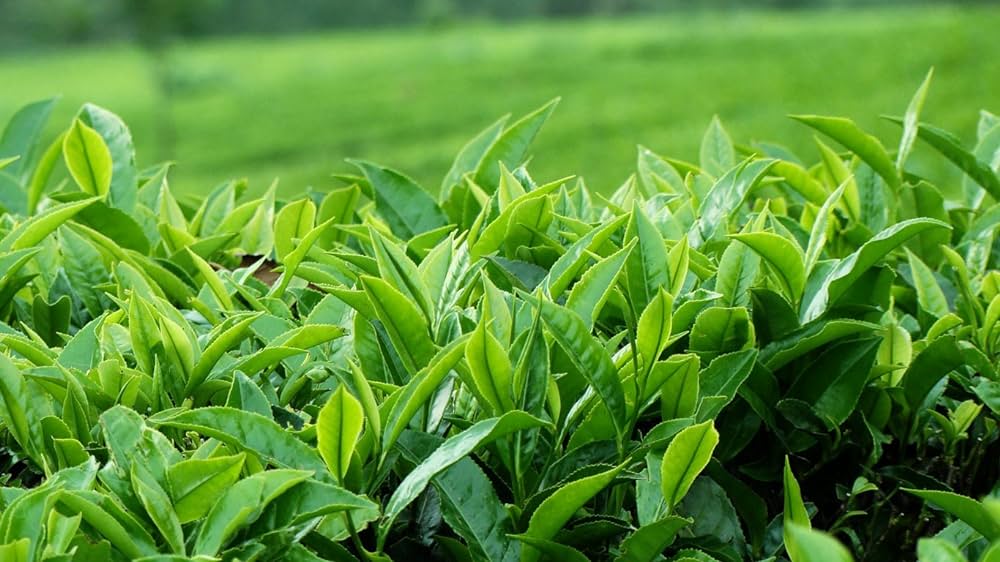
The history of tea in India dates back to the early 19th century when British explorers encountered the indigenous Singpho tribe in Assam, who had been consuming a beverage made from wild tea plants for centuries. In the 1820s, Robert Bruce, a Scottish trader, first learned about this native tea from the Singpho people and recognized its potential.
The commercial journey of Indian tea began when tea samples were sent from Assam to London in 1838 and successfully auctioned in January 1839. This success led to the formation of the Assam Company in 1839, which was the first tea plantation company in the world. The company was established with support from Dwarakanath Tagore, grandfather of Nobel Laureate Rabindranath Tagore, who formed the Bengal Tea Association that later merged with the Assam Tea Company.
Tea cultivation soon spread beyond Assam to other regions of India. In South India, tea was discovered growing in the Nilgiris Hills and was found to be similar to the varieties in Assam. Tea plants were also found in the Wayanad and Travancore regions. Commercial cultivation in South India began in earnest in 1854, with the development of the Kanan Devan Hills by James Finlay and Company in 1878 marking a significant milestone in the region's tea history.
The expansion continued rapidly across the Western Ghats. Tea cultivation gained momentum in Wayanad by 1889, when planting was undertaken on a large scale. In the Anamalai Hills of Coimbatore district, tea estates were established around 1897.
India's tea production in 2024 was 1,284.78 million kilograms. Assam remains the largest tea-producing state, accounting for over 50% of India's total tea production.